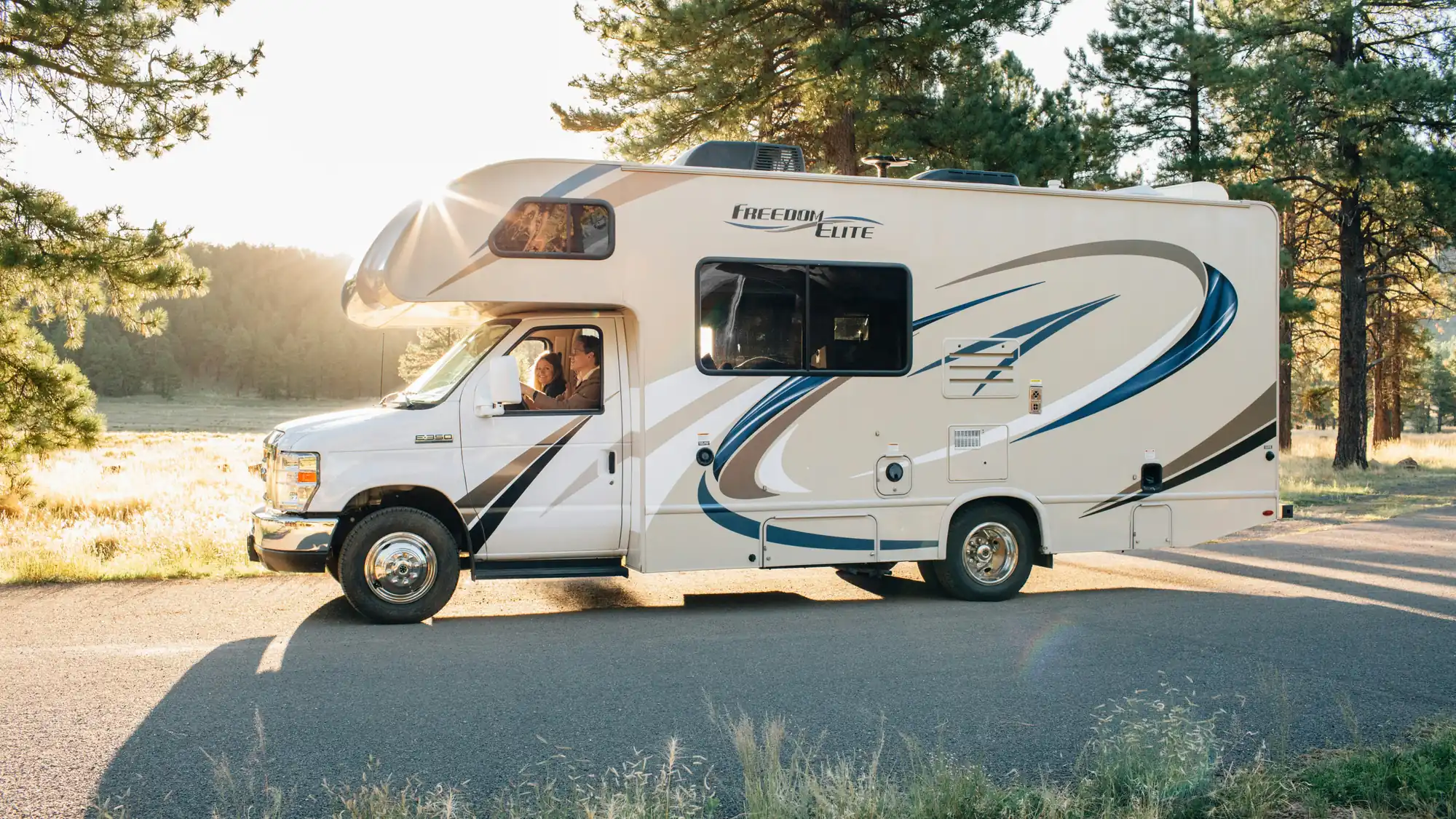
Selling an RV in Connecticut
Sell your RV in Connecticut to a buyer anywhere in the country
Tell us about your RV. A specialist checks what RVs like yours sold for recently and calls you back with a real price range. Yours goes on a national dealer network, so you are not limited to whoever happens to be shopping in Connecticut this month.
- Buyers in all 50 states, not just Connecticut
- Nothing up front. The commission comes out of the sale
- We handle Connecticut title and lien paperwork
- Still owe money on it? Routine
How do I sell an RV in Connecticut?
To sell an RV in Connecticut you can consign it through a dealer, trade it in, sell it privately, or take an instant cash offer. Consignment typically nets closest to private-party pricing without the owner handling listings, showings, or paperwork, and costs nothing up front.
Connecticut title transfer: The seller signs the title over to the buyer and both parties complete the odometer and sale-price disclosures. The buyer files for a new title and registration with the state. Sales tax is collected at that point.
If a lender holds the title: If a loan is still open, the lender holds the title until the balance is paid. On a consignment sale the payoff is settled from the sale proceeds, the lender releases the title, and any equity left over goes to you.
The Connecticut RV Market
A smaller northeastern market with high RV values and a short season.
Timing: May through September, with high winter storage costs motivating fall sellers.
That calendar matters if your buyer is local. It matters much less if they are not. An RV on a national dealer network is visible to buyers whose season looks nothing like Connecticut’s, and that is often the difference between selling now and waiting for spring.
Title, lien, and paperwork in Connecticut
This is where most private RV sales go sideways. Here is what Connecticut requires.
Transferring the title
The seller signs the title over to the buyer and both parties complete the odometer and sale-price disclosures. The buyer files for a new title and registration with the state. Sales tax is collected at that point.
If there’s still a loan on it
If a loan is still open, the lender holds the title until the balance is paid. On a consignment sale the payoff is settled from the sale proceeds, the lender releases the title, and any equity left over goes to you.
Trade-in sales tax treatment
Connecticut lets you calculate sales tax on the difference between your trade-in value and the price of the replacement RV. That is a real advantage for trading in, though a consignment sale usually brings enough more to outweigh it. Run both numbers.
What consignment changes
On a consignment sale the dealer handles the title work, the lien payoff, and the sales tax collection as part of closing. You keep the title until there is a real buyer and real money. Consignment does not transfer ownership.
Information about Connecticut title, lien, registration, and tax requirements is general information only and is not legal or tax advice. Requirements change. Confirm current rules with the Connecticut motor vehicle agency or a qualified professional before completing a sale.
Four Ways to Sell Your RV
Consignment isn’t right for everyone. Here is when it is, and when it isn’t.
| Option | Typical price | Speed | Your effort | Best when |
|---|---|---|---|---|
| Instant cash offer | Lowest | Days | None | You need it gone this week and will trade money for speed. |
| Dealer trade-in | Low | Days | None | You're buying another RV and your state gives a sales-tax credit on the difference. |
| Consignment | Near private-party | Weeks to months | Low | You want close to what it's worth without running the sale yourself. |
| Private party sale | Highest potential | Weeks to months | High | You have the time, the patience, and somewhere safe to show it. |
Commission rates, fees, and terms vary by dealer and by state. Confirm the specific terms in writing before signing any consignment agreement. Trade-in sales-tax treatment varies by state and is not tax advice.
Selling in a Connecticut metro
Market conditions and the selling calendar differ across Connecticut. Here is what to expect where you are.
Selling an RV in Connecticut: common questions
- How do I transfer an RV title in Connecticut?
- The seller signs the title over to the buyer and both parties complete the odometer and sale-price disclosures. The buyer files for a new title and registration with the state. Sales tax is collected at that point. This is general information, not legal advice. Confirm current requirements with the Connecticut motor vehicle agency before you complete a sale.
- Can I sell an RV in Connecticut if my lender has the title?
- If a loan is still open, the lender holds the title until the balance is paid. On a consignment sale the payoff is settled from the sale proceeds, the lender releases the title, and any equity left over goes to you.
- When is the best time to sell an RV in Connecticut?
- May through September, with high winter storage costs motivating fall sellers. A national listing takes most of that pressure off, because buyers elsewhere in the country are on a different calendar than yours.
- Do I get a sales tax break if I trade in instead of selling?
- Connecticut lets you pay sales tax only on the difference between your trade-in value and the price of the replacement RV, which is a real advantage of trading in. Whether it beats the higher price a consignment sale brings depends on your numbers. This is not tax advice. Confirm with a tax professional.
See what your RV is worth in Connecticut
Tell us about your RV. A specialist checks what RVs like yours sold for recently and calls you back with a real price range.
Monday-Saturday, 8am-7pm Central
Any value range discussed is an estimate based on comparable sales and market conditions. It is not an appraisal, an offer to purchase, or a guarantee of sale price.